Choosing the right roofing material is one of the most important decisions you can make for your property. Your roof protects the building from rain, snow, wind, and changing temperatures. Therefore, selecting a durable, attractive, and practical roofing system can make a meaningful difference in long-term property maintenance. For homeowners and property managers searching for top rated synthetic roofing solutions in Brooklyn, NY, synthetic roofing materials offer an option worth exploring.
Brooklyn features a wide variety of buildings, from traditional brownstones and townhouses to modern homes and multifamily properties. Consequently, roofing requirements can vary considerably depending on the building’s design, existing structure, local exposure, and maintenance needs. While traditional roofing materials remain popular, synthetic alternatives can provide distinctive combinations of appearance, weight, and performance.
However, not every synthetic roofing product is suitable for every property. Material quality, installation requirements, fire performance, wind resistance, warranties, and compatibility with the existing roof all deserve careful consideration. By evaluating these factors before making a decision, property owners can choose a roofing system that fits their goals and budget.
Elite Roofing Group provides roofing-related resources for property owners exploring repair, inspection, and roofing solutions. With the right information and a professional assessment, you can better understand whether synthetic roofing is an appropriate choice for your Brooklyn property.
What Are Synthetic Roofing Solutions?
Synthetic roofing solutions use manufactured materials designed to reproduce certain characteristics of traditional roofing products. Depending on the product, synthetic materials may imitate the appearance of slate, wood shakes, or other premium roofing styles.
These products can be manufactured using polymers, recycled plastics, rubber-based compounds, or blends of materials. Nevertheless, their composition and performance vary by manufacturer and product line.
For example, synthetic slate may offer the appearance of natural stone without the same material weight. Similarly, synthetic shake products can recreate the texture of traditional wood roofing while offering different maintenance requirements.
Furthermore, many synthetic roofing products are designed to address concerns associated with conventional materials. However, their actual performance depends on product specifications, installation quality, roof design, and environmental exposure.
Before selecting a system, homeowners should review the manufacturer’s technical documentation and confirm that the product is approved for the intended application.
Why Brooklyn Property Owners Are Considering Synthetic Roofing
Brooklyn’s changing seasons place ongoing demands on residential and commercial roofs. Winter snow, freezing temperatures, rain, summer heat, and wind can all affect roofing materials over time.
Consequently, many property owners look for roofing options that balance durability, visual appeal, and manageable maintenance.
Synthetic roofing may offer several potential advantages when the product is appropriately selected and installed.
1. Attractive Design Options
Synthetic roofing is available in styles that resemble slate, wood shakes, and other traditional materials. Therefore, property owners can explore different architectural appearances without necessarily choosing the original material.
This flexibility can be particularly useful when maintaining the character of an older property or complementing a newer building design.
2. Potentially Lower Material Weight
Some synthetic roofing products weigh less than the traditional materials they imitate. As a result, they may reduce the roofing material’s load compared with certain natural slate or tile systems.
However, the complete roof assembly still needs to meet structural requirements. A qualified professional should evaluate the building and verify the selected product’s weight and installation specifications.
3. Different Maintenance Requirements
Depending on the product, synthetic roofing may avoid some maintenance concerns associated with natural wood or other traditional materials. Nevertheless, synthetic roofing is not maintenance-free.
Regular inspections remain important because flashing, underlayment, fasteners, drainage, and other roofing components can still develop problems.
4. Material Options for Different Budgets
Synthetic roofing products are available at different price points. Consequently, homeowners may be able to compare options based on appearance, product specifications, expected maintenance, and overall installation cost.
However, the least expensive product is not necessarily the best long-term value. Warranty terms, replacement-part availability, and installation requirements should also be considered.
Popular Types of Synthetic Roofing Materials
Understanding the main product categories can help you narrow down your choices. Although individual products vary, the following options are commonly considered by property owners researching synthetic roofing.
Synthetic Slate Roofing
Synthetic slate is designed to reproduce the appearance of natural slate. Depending on the product, it may offer a more consistent shape, a different weight profile, and a range of colors.
Consequently, it can be an attractive option for buildings where a traditional slate appearance is desirable. However, homeowners should verify the product’s expected service life, wind performance, fire classification, and installation requirements.
Synthetic Shake Roofing
Synthetic shake products imitate the textured appearance of traditional wood shakes. They may appeal to homeowners who want a natural-looking roof while considering alternatives to wood.
Nevertheless, products differ in their resistance to impact, fading, fire, and weather exposure. Therefore, reviewing technical documentation is essential before selecting a specific system.
Composite Roofing Products
Composite roofing generally refers to products made from a combination of materials. Depending on the formulation, these products may offer varied textures, colors, and performance characteristics.
However, the word composite does not guarantee a particular quality level. Instead, evaluate the actual product specifications and certifications.
Polymer-Based Roofing
Polymer-based roofing products use manufactured polymers to create roofing components with particular shapes and performance characteristics. Some are designed to resemble traditional roofing materials.
Because formulations vary, it is important to confirm their suitability for the building, local conditions, and intended installation method.

Synthetic Roofing vs. Traditional Roofing Materials
Choosing between synthetic and traditional roofing requires more than comparing appearances. Each material has different benefits, limitations, and installation considerations.
The following table provides a general comparison.
| Roofing material | Appearance | Potential advantages | Important considerations |
| Synthetic slate | Resembles natural slate | Multiple styles and potentially lower weight | Product quality and certification vary |
| Synthetic shake | Resembles wood shakes | Textured appearance and alternative material options | Confirm fire, wind, and impact performance |
| Natural slate | Traditional stone appearance | Long service life when properly installed and maintained | Heavy weight and specialized installation |
| Asphalt shingles | Familiar, versatile appearance | Broad product availability and multiple price levels | Service life depends on product and conditions |
| Wood shakes | Natural wood texture | Distinctive architectural character | Maintenance and fire-related requirements |
| Metal roofing | Modern or traditional profiles | Multiple finishes and roof designs | Performance depends on system design and installation |
Importantly, no material is automatically the best choice for every building. Your property’s structural capacity, roof pitch, budget, architectural style, and maintenance expectations should guide the decision.
For example, a synthetic slate product may suit a homeowner seeking a traditional appearance with a different weight profile. Conversely, asphalt shingles may remain a more practical option for a property where upfront cost is the primary concern.
How to Choose Top Rated Synthetic Roofing Solutions in Brooklyn, NY
Searching for top rated synthetic roofing solutions in Brooklyn, NY, can produce many product options. However, ratings and marketing descriptions alone do not establish whether a roofing system is appropriate for your property.
Instead, compare the following factors before committing to a product.
Product certifications and testing: Look for relevant documentation covering fire classification, wind resistance, impact performance, and other characteristics required for your intended application.
Manufacturer warranty: Review what the warranty covers, how long coverage lasts, and whether particular installation conditions apply. Additionally, determine whether the warranty covers materials only or includes other responsibilities.
Installation requirements: Synthetic products may require specific underlayment, fasteners, spacing, or installation techniques. Therefore, the contractor must understand the selected system’s requirements.
Architectural compatibility: Consider how the roofing material will look alongside your property’s exterior, neighboring buildings, and overall design.
Maintenance expectations: Ask which inspections, cleaning methods, or repairs may be necessary over time. Moreover, check whether replacement components will remain available.
Total project cost: Compare materials, labor, preparation, flashing, disposal, and any necessary structural work. This approach provides a more realistic understanding of the investment.
Local code compliance: Confirm that the proposed system meets applicable building requirements and has the necessary approvals for the project.
By considering these factors together, you can evaluate products based on their suitability rather than relying solely on popularity or appearance.
Is Synthetic Roofing Suitable for Brooklyn’s Climate?
Synthetic roofing may be suitable for certain Brooklyn properties, provided the selected product is designed for the local conditions and installed correctly.
However, seasonal weather makes product selection particularly important.
Winter snow and freezing temperatures: Roofing systems must be designed and installed to manage local snow and weather conditions. In addition, proper flashing and underlayment help support the roof’s overall weather protection.
Wind exposure: Wind performance depends on the product, fastening method, roof geometry, and installation quality. Therefore, verify the manufacturer’s tested ratings and applicable local requirements.
Rain and moisture: A roof must direct water away from vulnerable areas. Although synthetic roofing forms the visible covering, flashing, underlayment, drainage, and penetrations also contribute to moisture protection.
Summer heat and sunlight: Temperature changes and ultraviolet exposure can affect roofing materials. Consequently, review product documentation concerning thermal performance, color stability, and environmental durability.
Freeze-thaw cycles: Moisture and temperature changes can place stress on roofing components. Therefore, correct installation details and regular inspections remain important.
Ultimately, the synthetic product itself is only one part of the roofing system. A carefully designed and properly installed roof provides a more reliable foundation for long-term performance.
The Importance of Professional Roof Inspection Before Installation
Before installing synthetic roofing, it is important to evaluate the condition of the existing roof structure and supporting components.
For instance, damaged decking, deteriorated flashing, moisture problems, or inadequate ventilation may need attention before a new roofing system is installed. Otherwise, these underlying issues could affect the performance of the completed project.
A roof inspection can help identify visible damage, evaluate existing roofing materials, and determine which repairs may be necessary.
Furthermore, an inspection provides an opportunity to discuss roof pitch, drainage, ventilation, and compatibility with the proposed synthetic product.
Elite Roofing Group provides information about professional roof inspection services for property owners evaluating their roof’s condition.
If the inspection identifies existing damage, the next step may involve professional roof repair services before installation begins.
This preparation helps establish a more informed scope of work and reduces the risk of overlooking problems beneath the visible roofing surface.
What Does Synthetic Roofing Installation Involve?
The installation process depends on the selected product and the building’s condition. Nevertheless, a well-planned project generally includes several key stages.
Step 1: Initial assessment
First, the contractor evaluates the existing roof, measures the relevant areas, and identifies visible concerns. Additionally, the property owner can discuss appearance preferences, budget, and performance priorities.
Step 2: Product selection
Next, the contractor and homeowner compare suitable products based on technical requirements, appearance, warranty terms, and cost.
Step 3: Preparation and repairs
Before installation, damaged materials may need to be removed or repaired. The underlying roof deck, flashing, and other components should be evaluated as appropriate.
Step 4: Underlayment and system preparation
The contractor prepares the roof according to the selected product’s installation instructions and applicable building requirements.
Step 5: Roofing installation
The synthetic roofing components are installed using the specified fastening methods, spacing, and detailing.
Step 6: Final inspection
Finally, the completed installation should be reviewed for visible defects, appropriate flashing details, and compliance with the applicable project requirements.
Throughout the process, clear communication helps homeowners understand the work being performed and any unexpected issues that arise.
Residential and Commercial Synthetic Roofing Considerations
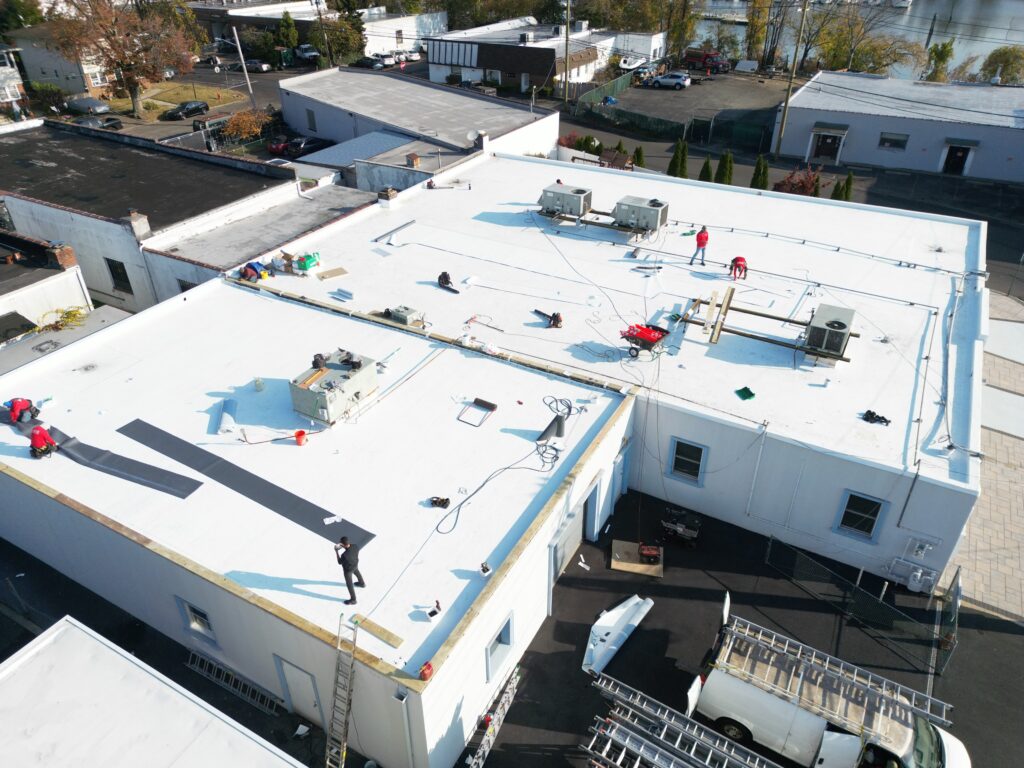
Synthetic roofing is not exclusively a residential consideration. Depending on the product and building design, certain synthetic roofing systems may also be appropriate for other property types.
However, residential and commercial buildings can have very different structural, drainage, accessibility, and code requirements. Consequently, the product suitable for a townhouse may not be suitable for a commercial building with a low-slope roof.
Residential projects often place particular emphasis on architectural appearance, neighborhood compatibility, and the homeowner’s maintenance preferences.
Commercial projects, on the other hand, may require additional attention to drainage, building use, access, and operational disruption.
Elite Roofing Group provides information about residential roofing services as well as commercial roofing services.
For buildings with deteriorated exterior materials or broader envelope concerns, exterior building restoration services may also be relevant to the property’s overall maintenance plan.
How Much Do Synthetic Roofing Solutions Cost in Brooklyn, NY?
The cost of synthetic roofing varies considerably depending on the product, roof size, installation complexity, and condition of the existing structure.
For example, a straightforward roof replacement may involve different labor and preparation requirements than a project requiring extensive decking repairs, new flashing, or additional structural work.
Several factors influence the total price:
- Material selection: Different synthetic products have different purchase prices and technical specifications.
- Roof size: Larger roofs generally require more materials and labor.
- Roof complexity: Valleys, dormers, chimneys, skylights, and multiple roof levels can increase installation complexity.
- Existing roof condition: Damaged decking or deteriorated components may require repair before installation.
- Removal and disposal: Removing old roofing materials may add to the project cost.
- Installation requirements: Specialized fastening systems, underlayment, and flashing can affect the overall estimate.
- Warranty and product options: Available coverage and product features may influence the final selection and price.
Therefore, request a detailed written estimate instead of relying on a generic price range. In addition, confirm whether the estimate includes preparation, materials, labor, disposal, flashing, and final inspection.
Although a lower initial price may seem attractive, it is important to compare the complete scope of work. The goal is to select a suitable roofing system that balances upfront cost, expected maintenance, and long-term performance.
Protecting Your Investment with Roof Maintenance and Waterproofing
Even a high-quality synthetic roofing system requires ongoing attention. Over time, weather exposure and normal building movement can affect flashing, penetrations, and other vulnerable details.
Consequently, periodic inspection can help identify issues before they develop into more extensive repairs.
Homeowners should monitor for missing or damaged roofing components, visible deterioration, water stains, and drainage concerns. Additionally, any changes following severe weather should be assessed when it is safe to do so.
However, maintenance procedures should follow the roofing manufacturer’s recommendations. Using unsuitable cleaning products, applying unapproved coatings, or walking on a roof without proper precautions can damage the system.
When moisture protection involves more than the roofing material itself, it may be useful to explore professional waterproofing services.
The important point is that roofing performance depends on the complete assembly, including the roof covering, underlayment, flashing, drainage, and installation details.
Why Consider Elite Roofing Group for Your Roofing Project?
Selecting a roofing contractor is an important part of planning a synthetic roofing project. The right provider should help you understand the property’s current condition, evaluate suitable options, and establish a clear scope of work.
Elite Roofing Group offers roofing-related resources covering residential roofing, inspections, repairs, commercial services, and waterproofing. These resources provide a starting point for homeowners and property managers researching their roofing needs.
Before proceeding with a project, consider asking the contractor the following questions:
- Is the proposed synthetic roofing product suitable for my roof design?
- What product certifications and performance documentation are available?
- Will the existing roof require repairs before installation?
- What underlayment, flashing, and fastening methods will be used?
- What does the manufacturer warranty cover?
- Which items are included in the written estimate?
- What maintenance should I expect after installation?
Furthermore, confirm the company’s current service availability, relevant experience with the proposed product, and the requirements for your specific property.
To discuss your roofing project, visit Elite Roofing Group’s contact page and request information about available services and suitable next steps.
Frequently Asked Questions About Synthetic Roofing in Brooklyn, NY
1. What are the benefits of synthetic roofing?
Depending on the product, synthetic roofing can provide the appearance of traditional materials, different weight characteristics, and a variety of design options. However, performance and maintenance requirements vary by manufacturer, so review the product’s specifications before choosing a system.
2. Is synthetic roofing suitable for Brooklyn homes?
It can be suitable for certain homes when the product meets the property’s structural requirements, local building codes, and weather-related performance needs. A professional assessment can help determine which systems are appropriate.
3. How long does synthetic roofing last?
The expected service life depends on the specific product, installation quality, weather exposure, and maintenance. Review the manufacturer’s documented service-life expectations and warranty terms rather than assuming every synthetic product performs the same way.
4. Is synthetic roofing better than asphalt shingles?
Neither option is automatically better for every property. Synthetic roofing may offer particular design or material characteristics, while asphalt shingles may offer different cost and availability advantages. Compare product specifications, installation costs, maintenance, and expected performance.
5. Can synthetic roofing imitate natural slate?
Yes. Certain synthetic slate products are designed to resemble the appearance of natural slate. Nevertheless, their weight, texture, durability, and installation requirements differ by product.
6. Does synthetic roofing require maintenance?
Yes. Although some products may have different maintenance needs from the traditional materials they imitate, periodic inspections are still important. Flashing, drainage, fasteners, and other roofing components may require attention over time.
7. Is synthetic roofing fire-resistant?
Fire performance varies by product and roof assembly. Therefore, check the manufacturer’s tested fire classification and confirm that the selected system satisfies the applicable requirements for the building.
8. Can synthetic roofing withstand strong winds?
Wind performance depends on the specific product, installation method, roof design, and applicable requirements. Review the manufacturer’s tested ratings and ensure that the system is installed according to its approved specifications.
9. How much does synthetic roofing cost in Brooklyn, NY?
The total depends on material choice, roof size, roof complexity, removal of existing materials, preparation, and labor. A property-specific estimate provides a more reliable basis for comparing options.
10. Should I inspect my roof before installing synthetic materials?
Yes. An inspection can identify visible damage, deteriorated flashing, moisture concerns, and other conditions that may need attention before installation. Addressing these issues helps establish a suitable foundation for the new roofing system.
Choose a Smarter Roofing Solution for Your Brooklyn Property
The right roofing system can improve your property’s appearance while providing essential protection from the elements. For homeowners and property managers exploring top rated synthetic roofing solutions in Brooklyn, NY, the key is to look beyond appearance and evaluate product quality, installation requirements, warranties, and long-term maintenance.
Synthetic slate, shake, composite, and polymer-based products each offer different characteristics. Therefore, comparing the available options with your building’s needs is essential.
Additionally, an inspection before installation can help identify existing damage and determine whether repairs are necessary. By addressing these concerns early, you can make a more informed decision and plan a roofing project with greater confidence.
Elite Roofing Group provides resources for researching roof inspections, repairs, residential roofing, and waterproofing. If you are considering a synthetic roofing upgrade, contact Elite Roofing Group to discuss your project and confirm current service availability.
With careful product selection, appropriate installation, and regular maintenance, you can take practical steps toward a durable and attractive roofing system for your Brooklyn property.